

Deepavali Added to UNESCO’s Intangible Cultural Heritage List at New Delhi Session
Deepavali is added to UNESCO’s Intangible Cultural Heritage List, celebrating India’s vibrant traditions, community spirit, and global cultural significance.
Deepavali recognised by UNESCO as a global living heritage celebrating light, unity, and cultural traditions.
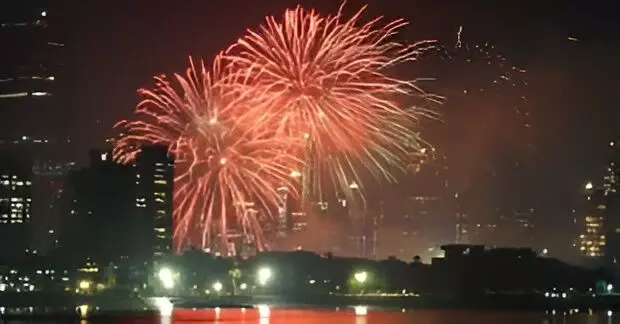
Deepavali, a festival which is very popular and very much appreciated in India, has got the official recognition of UNESCO as one of the Intangible Cultural Heritage of Humanity. The information related to this was revealed during a slot of the UNESCO Intergovernmental Committee meeting, which is being held in the historic Red Fort in New Delhi.
The inscription was confirmed in the presence of Union Minister for Culture Gajendra Singh Shekhawat, Ministry of Culture Secretary Vivek Aggarwal, and other senior officials along with international experts, delegates from 194 member states, and representatives from UNESCO's global network and many others.
“A Moment of Immense Pride”: Culture Minister
Speaking to the global delegates, Minister Shekhawat declared that the recognition is of “immense pride for India and communities all over the world who spin the eternal spirit of Deepavali.” The Minister further stated that the festival conveys the universal message of “Tamso Ma Jyotirgamaya”, which symbolizes the passage from darkness to light, hence the celebrating of hope, renewal, and harmony.
The Minister emphasized that Deepavali is a people-powered festival, sustained by potters producing diyas, artisans crafting decorations, farmers, sweet-makers, priests, and households preserving age-old rituals. The UNESCO listing, he noted, honours this vast collective cultural effort.
Indian Diaspora’s Role in Global Celebration
Shekhawat also acknowledged the Indian diaspora across Southeast Asia, Africa, the Gulf, Europe, and the Caribbean, whose celebrations have carried Deepavali’s message across continents, strengthening cultural bonds worldwide.
A Call to Safeguard Living Heritage
The inscription brings with it a renewed responsibility to preserve and pass on the tradition. The Minister urged citizens to uphold the festival’s spirit of inclusivity, unity, and cultural continuity.
Why Deepavali Earned the UNESCO Recognition
Deepavali was recognised for:
Its deep cultural significance
Its celebration across regions, religions, communities, and the global diaspora
Its role in fostering unity, social cohesion, and cultural identity
Its diverse practices—lighting diyas, rangoli, traditional crafts, rituals, community gatherings, and the intergenerational transmission of knowledge
These aspects demonstrate the festival’s enduring vitality and ability to evolve across time and geography.
Nomination Process Involved Nationwide Consultation
The Ministry of Culture, through the Sangeet Natak Akademi, prepared the nomination after extensive nationwide consultations with:
Artisans and potters
Agrarian communities
Diaspora groups
Cultural organisations
Persons with disabilities
Transgender communities
Traditional custodians and practitioners
Their shared testimonies highlighted Deepavali’s inclusive nature and its broad ecosystem of livelihoods—from rangoli artists and sweet-makers to florists and craftspeople.
UNESCO’s Acknowledgement
UNESCO recognised Deepavali as a living heritage that:
Strengthens social bonds
Supports traditional craftsmanship
Promotes values of generosity and wellbeing
Advances Sustainable Development Goals (SDGs), including livelihood enhancement, gender equality, cultural education, and community welfare
India Welcomes Global Recognition
The Ministry of Culture stated that the inscription will boost global awareness and encourage further efforts to safeguard India’s rich intangible cultural heritage for future generations.





